%2Ffit-in%2F250x250%2Fguide_websites%2F1606%2Fimages%2Ftgs.png&w=1920&q=100)
/users/b8385287-45f0-42a0-a910-ab4c689e4dbc/ratecard/351e9d31-31aa-42f4-b1e0-a26fe9f43479.jpg)
%2F300x300%2Fusers%2Fb8385287-45f0-42a0-a910-ab4c689e4dbc%2Fratecard%2F351e9d31-31aa-42f4-b1e0-a26fe9f43479.jpg&w=256&q=75)
%2F300x300%2Fusers%2Fb8385287-45f0-42a0-a910-ab4c689e4dbc%2Fimages%2Fstriped-bass-madill-oklahoma-catch-2286.jpg&w=256&q=75)
%2F300x300%2Fusers%2Fb8385287-45f0-42a0-a910-ab4c689e4dbc%2Fimages%2Fmadill-ok-catfish-catch-2350.jpg&w=256&q=75)
%2F300x300%2Fusers%2Fb8385287-45f0-42a0-a910-ab4c689e4dbc%2Fimages%2Fblue-catfish-madill-oklahoma-catch-2486.jpg&w=256&q=75)
%2F300x300%2Fusers%2Fb8385287-45f0-42a0-a910-ab4c689e4dbc%2Fimages%2Fstriped-bass-madill-ok-fishing-2403.jpg&w=256&q=75)
%2F300x300%2Fusers%2Fb8385287-45f0-42a0-a910-ab4c689e4dbc%2Fimages%2Fstriped-bass-madill-ok-fishing-2326.jpg&w=256&q=75)
%2F300x300%2Fusers%2Fb8385287-45f0-42a0-a910-ab4c689e4dbc%2Fimages%2Fblue-catfish-madill-oklahoma-catch-2416.jpg&w=256&q=75)
%2F300x300%2Fusers%2Fb8385287-45f0-42a0-a910-ab4c689e4dbc%2Fimages%2Fmadill-striped-bass-catch-2333.jpg&w=256&q=75)
%2F300x300%2Fusers%2Fb8385287-45f0-42a0-a910-ab4c689e4dbc%2Fimages%2Fstriped-bass-madill-oklahoma-fishing-2317.jpg&w=256&q=75)
%2F300x300%2Fusers%2Fb8385287-45f0-42a0-a910-ab4c689e4dbc%2Fimages%2Fblue-catfish-madill-oklahoma-fishing-2312.jpg&w=256&q=75)
%2F300x300%2Fusers%2Fb8385287-45f0-42a0-a910-ab4c689e4dbc%2Fimages%2Fblue-catfish-catch-madill-ok-2314.jpg&w=256&q=75)
Top-Rated Lake Texoma Fishing with Troy's Guide
 Lake Texoma
What you will be catching:
 Blue Catfish
 Channel Catfish
 Flathead Catfish
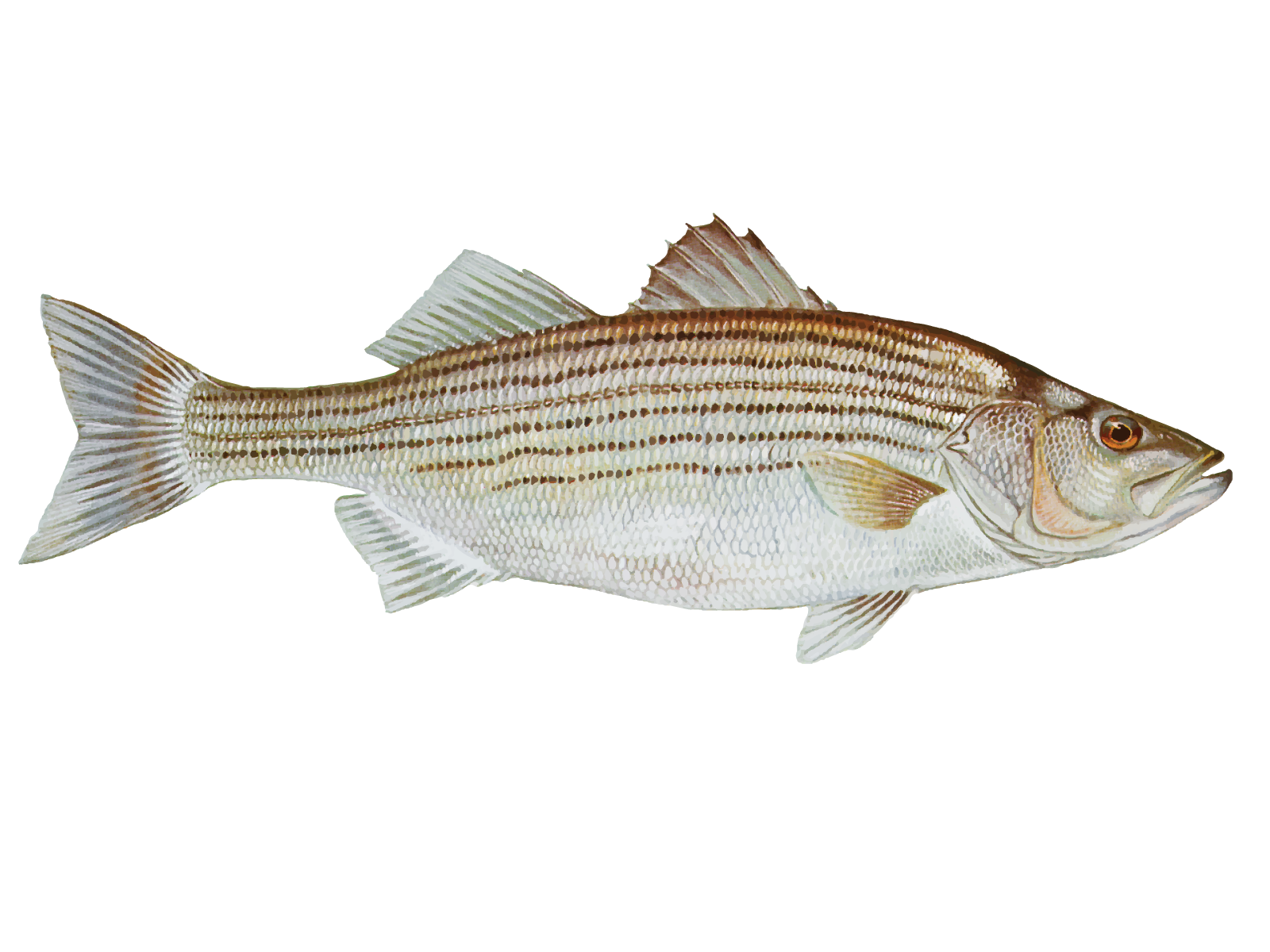 Striped Bass
- Join Troy's Guide Service for an afternoon striper fishing adventure on Lake Texoma. This 4-5 hour trip works great for beginners and experienced anglers alike. We'll spend 2-5 hours actively fishing, with start times adjusted based on the season and what's working best. During peak times, limits can come fast
- sometimes in just 30 minutes
- but I guarantee at least two hours on the water regardless. Lake Texoma's stripers are known for putting up a solid fight, and with room for up to 3 guests, it's perfect for families or small groups looking to get on some quality fish.
Trip Pricing and Availabilities:
Lake Texoma PM Striper Fishing Adventure
Looking for an afternoon on the water that'll get your heart pumping? This 4-5 hour PM striper fishing trip on Lake Texoma is exactly what you need. I'm Troy, and I've been guiding folks to some of the best striped bass action in Texas and Oklahoma waters for years. Whether you're a complete beginner or you've got your own tackle box full of stories, this trip is designed to put fish in the boat and smiles on faces. We'll hit the water during prime afternoon hours when the stripers are active and hungry, and I guarantee you'll spend at least two solid hours fishing – sometimes that's all it takes to limit out when the bite is hot.
What to Expect on the Water
This isn't your typical dawn patrol fishing trip. We're talking afternoon action when Lake Texoma really comes alive. The beauty of these PM trips is the flexibility – start times shift with the seasons and what the fish are doing. Spring and fall might have us launching mid-afternoon to catch that evening bite, while summer trips could kick off later to avoid the heat and target those twilight feeding windows. The lake spans the Texas-Oklahoma border and offers over 89,000 acres of prime striper habitat, with deep channels, submerged timber, and rocky points that hold fish year-round. My boat handles up to three anglers comfortably, so you'll have plenty of room to fight fish without bumping elbows. Some days the action is so good we'll have our limits in 30 minutes flat, but don't worry – I always make sure you get your money's worth with at least two hours on the water.
Techniques & Tackle
We'll be running multiple techniques depending on what the fish want that day. Live bait is king on Texoma, and I keep a fresh supply of shad that drives the stripers absolutely wild. We'll also work with downriggers and planer boards to cover water efficiently, especially when the fish are suspended in those deep channel areas. The electronics on my rig are top-notch – we're talking quality sonar and GPS that helps us stay on the schools when they're moving. For tackle, I provide everything you need, from heavy spinning gear that can handle 20-pound stripers to the lighter setups perfect for channel cats. If you want to bring your own rod, that's fine by me, but make sure it can handle some serious pulling power. Lake Texoma stripers don't mess around, and neither should your drag system. We'll also have some bottom rigs ready for those catfish that cruise the deeper holes – sometimes they'll surprise you with their size and fight.
Top Catches This Season
Lake Texoma striped bass are the main event here, and for good reason. These landlocked fighters can reach 30+ pounds and will test every ounce of your angling skills. Spring through fall offers the most consistent action, with fish moving into the shallows during low-light periods and early mornings. What makes Texoma stripers special is their aggressive nature – they travel in schools and when you find them, the action can be non-stop. They feed heavily on shad, so matching that baitfish profile is crucial for success. Channel catfish are another customer favorite, especially during the warmer months when they're actively feeding in 15-30 feet of water. These fish are abundant throughout the lake and provide steady action when the stripers are being finicky. Blue catfish represent the lake's heavyweight division, with specimens over 40 pounds caught regularly. They prefer the deeper channel areas and are most active during late spring and summer. Flathead catfish round out our target species and are the night hunters of the bunch. While primarily nocturnal, evening trips sometimes connect with these ambush predators around submerged timber and rocky structure.
Time to Book Your Spot
Lake Texoma's afternoon bite is something every angler should experience at least once. The combination of world-class striped bass fishing, diverse catfish species, and beautiful scenery makes this a top-rated choice for both locals and visitors. My years of guiding these waters mean you'll spend more time with lines tight and less time wondering where the fish are hiding. The boat's equipped with everything needed for a successful trip, and my local knowledge of seasonal patterns gives you the best shot at memorable catches. Whether you're planning a solo adventure, bringing a buddy, or making it a small group outing, this PM trip delivers the goods. Don't wait until peak season to secure your spot – the best dates fill up fast, especially during those prime spring and fall periods when the fishing is absolutely on fire. Give me a call and let's get you on the water for some Lake Texoma action you'll be talking about for years to come.
Learn more about the animals
Blue Catfish
Blue cats are the giants of Texoma's catfish family - these slate-blue bruisers regularly hit 30-50 pounds and can top 80. They're opportunistic feeders that cruise deep channels and river bends, especially where there's current flow. Best action comes during cooler months when they're more active, though they bite year-round. What draws anglers is the sheer size and power - landing a big blue is a real workout. They're also excellent table fare with firm, flaky meat. You'll find them in 20-40 feet of water near structure and drop-offs. Here's my local tip: use fresh-cut shad or herring and let it sit on the bottom. Blues are scavengers, so they'll come to the scent. Bring heavy tackle - 50-pound line minimum.
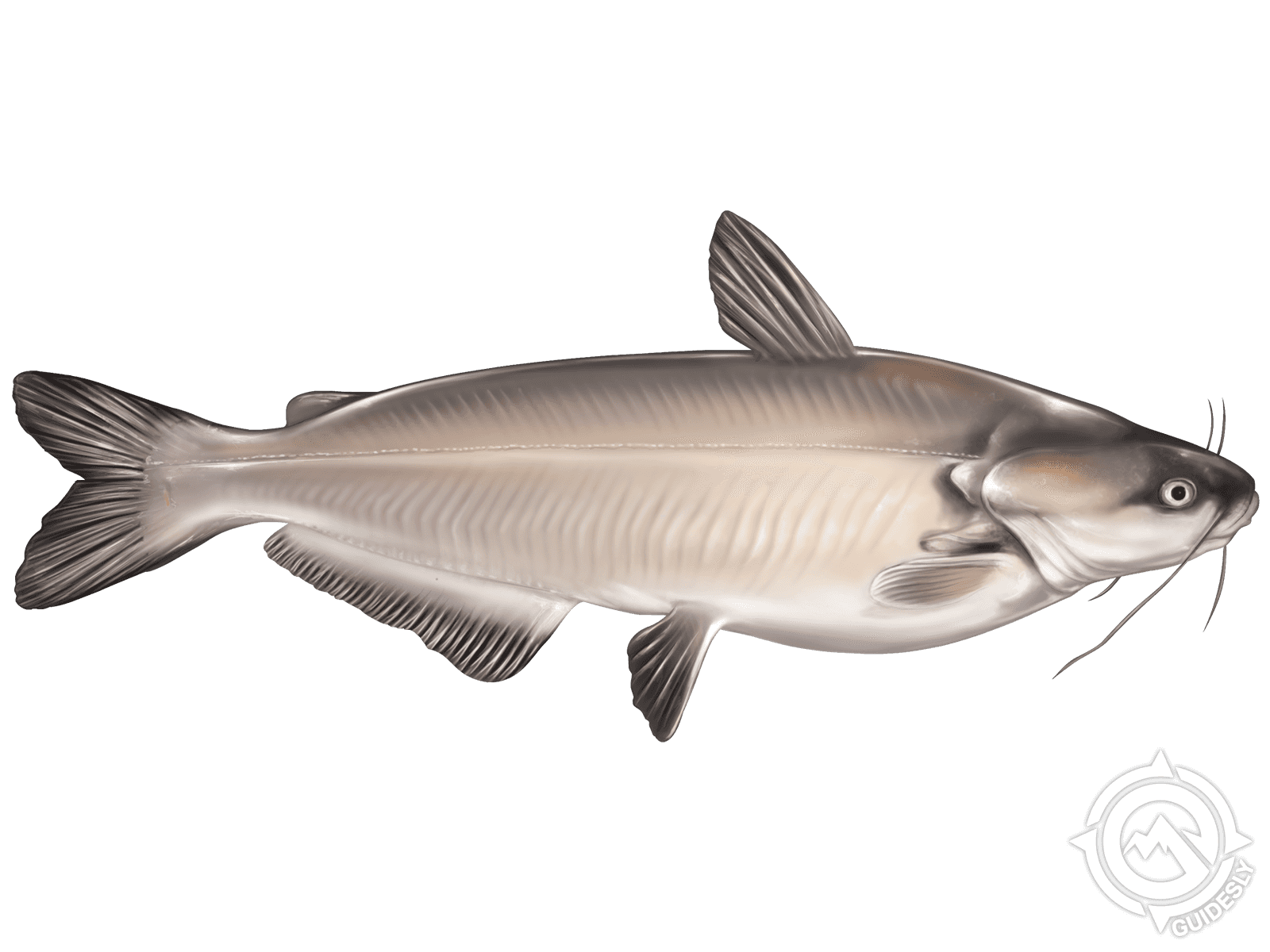
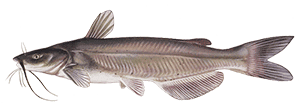
Channel Catfish
Channel cats are Lake Texoma's most reliable fish - they bite year-round and put up a decent scrap. Most run 2-10 pounds, but we catch plenty in the 15-20 pound range. Look for them in deeper holes and around structure during the day, then moving shallow at night to feed. Summer evenings are money time when they get active in 10-20 feet of water. People love them because they're great eating - firm, white meat with a mild flavor. Plus, they're not picky about bait. My go-to local trick is using fresh-cut shad on the bottom near creek channels. Their barbels help them locate food by smell and taste, so stinky baits work well too. Just watch those sharp fins when handling them.
Flathead Catfish
Flatheads are the true predators of Texoma's catfish world, with their distinctive flat heads and olive-yellow coloring. These monsters grow 3-4 feet and can exceed 100 pounds - they're serious business. Unlike other cats, they want live bait only. Find them in deep holes, around submerged timber, and near creek mouths in 15-30 feet of water. Summer nights are prime time when they move shallow to hunt. Anglers love them for two reasons: the incredible fight they put up and superior eating quality - firm, sweet meat that's considered the best among catfish. My secret weapon is live bluegill or perch on a heavy rod. Set up near structure and let that bait swim around. When a flathead grabs it, there's no mistaking it.
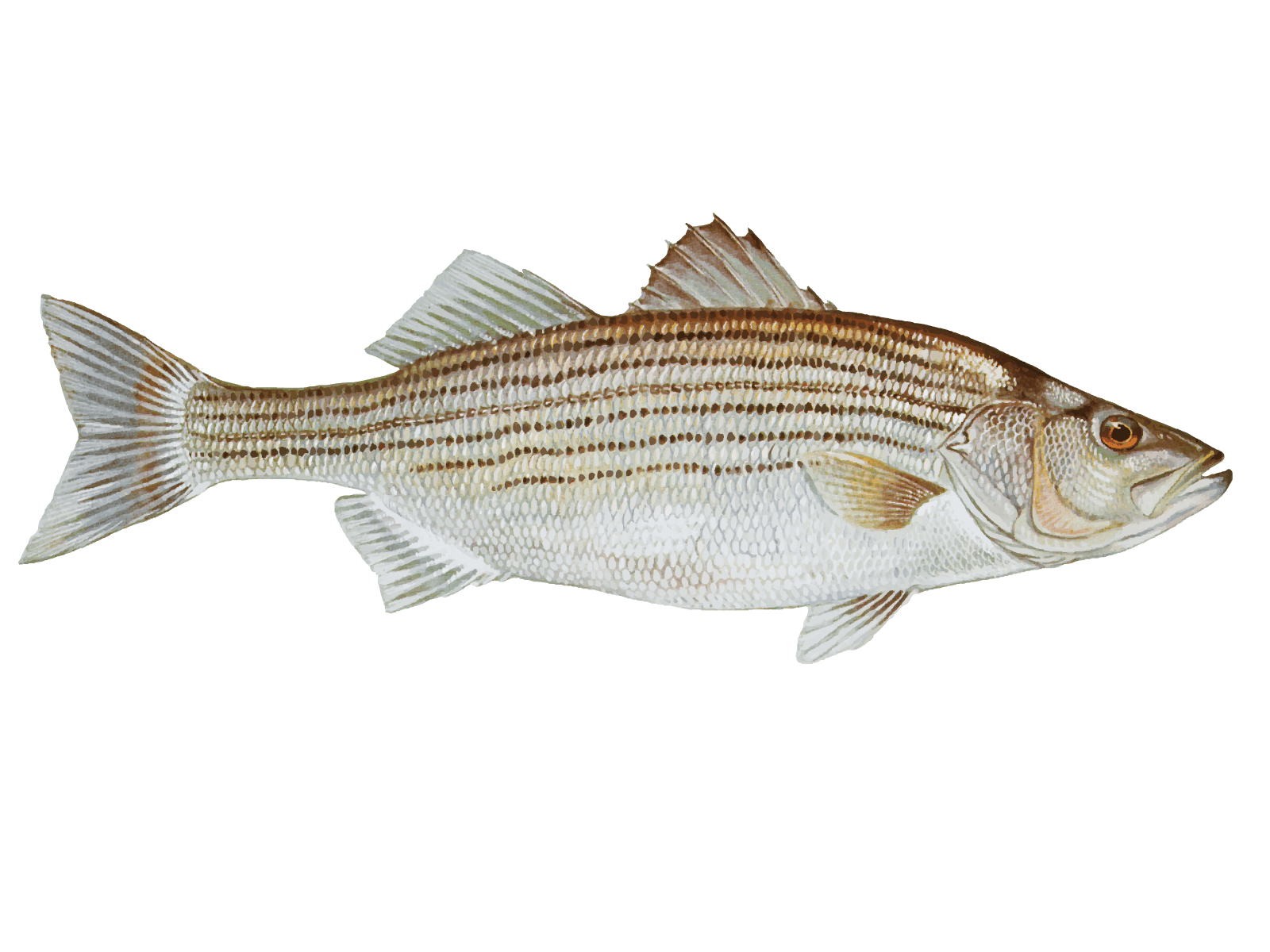
Striped Bass
Stripers are the main attraction here on Texoma, and for good reason. These silver beauties with their distinct black stripes typically run 20-40 pounds, though we see some real bruisers pushing 50+. They're structure-oriented fish, so we target them around drop-offs, points, and submerged timber. Spring and fall are prime time when water temps hit that sweet spot between 55-68°F. What makes them special? They fight hard, taste great, and those distinctive stripes make for awesome photos. The key trick I share with guests is watching for birds working the surface - that usually means stripers are pushing baitfish up from below. When you see that commotion, get your line in the water fast.
About the Blazer Bay
%2F%2Fusers%2Fb8385287-45f0-42a0-a910-ab4c689e4dbc%2Fvehicle_picture%2F25d9532a-9393-485b-8222-ae89b7a5040d.jpg&w=1920&q=75)
Vehicle Guest Capacity: 6
Manufacturer Name: Yamaha
Maximum Cruising Speed: 55
Number of Engines: 1
Horsepower per Engine: 300